







Search Results for: Jeju Island coffee shop

Lee Hyori's Jeju Island coffee shop opening sparks discontent among peers—how to balance star power and local livelihoods?
Korean singer Lee Hyori and her husband Lee Sang-soon opened a café on Jeju Island, and within just three days of opening, it sparked discontent among nearby café owners as fans queued for hundreds of meters and products sold out in 12 minutes. Former ruling party lawmaker Jeon Yeo-ok publicly criticized their star effect for squeezing the survival space of local cafés. Lee Sang-soon later responded that opening the shop was purely a personal decision, and that they would switch to a reservation system and step back into a behind-the-scenes role. The incident reflects the double-edged effects of celebrity side businesses in the coffee industry: they can boost the surrounding commercial area, but may also struggle to last due to excessive enthusiasm and a gap in quality. This article sorts out the whole course of the incident and explores the operational dilemmas and possible paths forward for celebrity coffee shops. [more…]
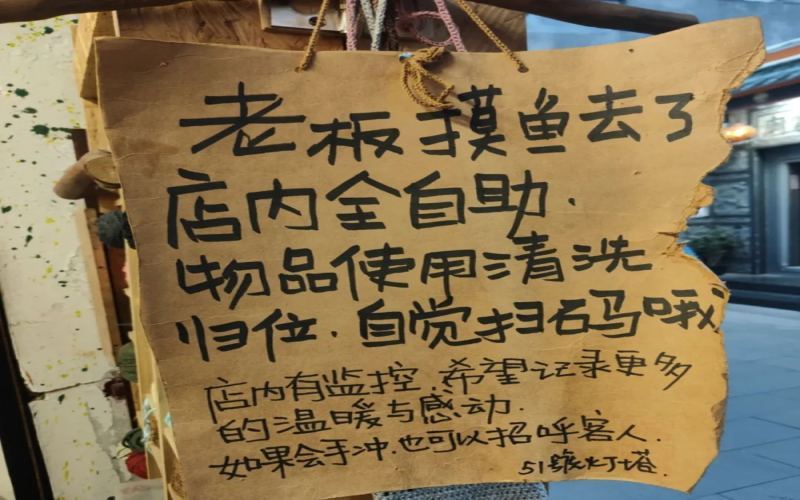
This laid-back coffee shop on Dongshan Island has gone viral thanks to its owner's carefree style, with self-service brewing creating a uniquely relaxing experience.
On Dongshan Island, there is a small coffee shop that can barely fit a sofa and two stools, yet it has unexpectedly become popular thanks to the owner's laid-back approach to running the business. Here, customers can quietly browse coffee beans and brew them themselves, with no overzealous hospitality and no heavy commercial atmosphere. Some people come specifically hoping to run into the owner who's out slacking off, while others are drawn by that "slacking-off manifesto" sign. This down-to-earth, zen-like vibe happens to strike a chord with urban workers' longing for a slower pace of life and a sense of human warmth. This article will take you inside this special coffee shop to see what makes it feel so welcoming. [more…]

After fifteen years of operation, the Starbucks Reserve store on Ersha Island in Guangzhou has permanently closed upon lease expiry; the successive exit of long-standing stores across multiple cities has prompted coffee enthusiasts to reminisce.
Recently, the Starbucks Reserve store next to Xinghai Concert Hall on Ersha Island in Guangzhou was confirmed to have permanently closed after fifteen years in operation, a piece of news that surprised and saddened many regular customers. This store, which opened in 2010, was once one of the most representative coffee shops on Ersha Island. After its lease expired, it quietly withdrew without prior announcement, sparking collective memories among nearby residents and coffee enthusiasts. Meanwhile, Starbucks old stores or specialty stores have also been closing one after another in cities such as Jiangmen, Beijing, Changzhou, and Chengdu, including the city's first pour-over store and old stores that had been operating for more than ten years. For many coffee fans, Starbucks was once the starting point for stepping into the world of coffee. The disappearance of these stores is not just the exit of a shop, but also carries countless personal memories and urban emotions. [more…]
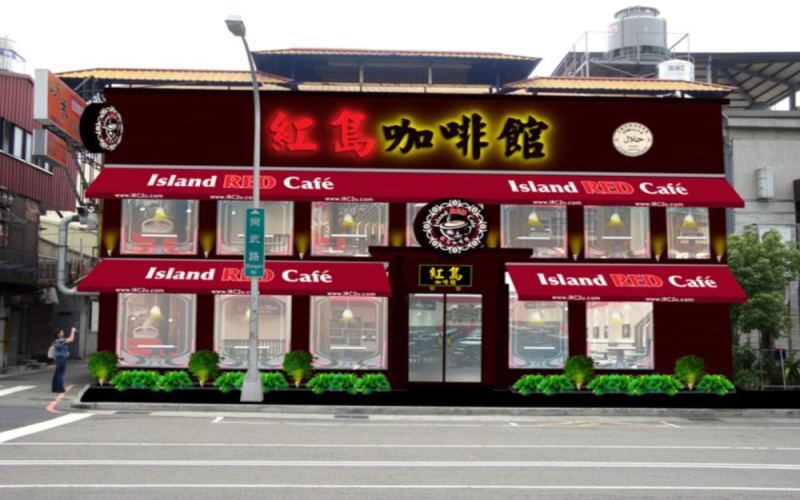
Chain Coffee Franchise Trap: Red Island Coffee Pyramid Scheme Swindles Over 30 Million Yuan, Founder Flees to Thailand and Is Finally Caught
During the 2008 financial crisis, a brand called "Red Island Coffee" was born in Malaysia, attracting Chinese businessmen with its upscale decor and high pricing. Founder Zhang Yufa claimed that investing 10,000 yuan would yield substantial monthly dividends, with an annual interest rate of 10%, and that recruiting downlines could bring even more returns. The temptation of low investment and high returns led many Chinese businessmen to open their wallets, and in the end Zhang Yufa absconded back to Malaysia with over 30 million yuan, with nearly 2 million Chinese people defrauded over the years. Although he once used money to smooth over relationships and evade justice, he was ultimately arrested under a joint operation by China, Thailand, and Malaysia. This case warns us: when faced with coffee franchise projects promising low investment and high returns, we must keep our eyes wide open. [more…]
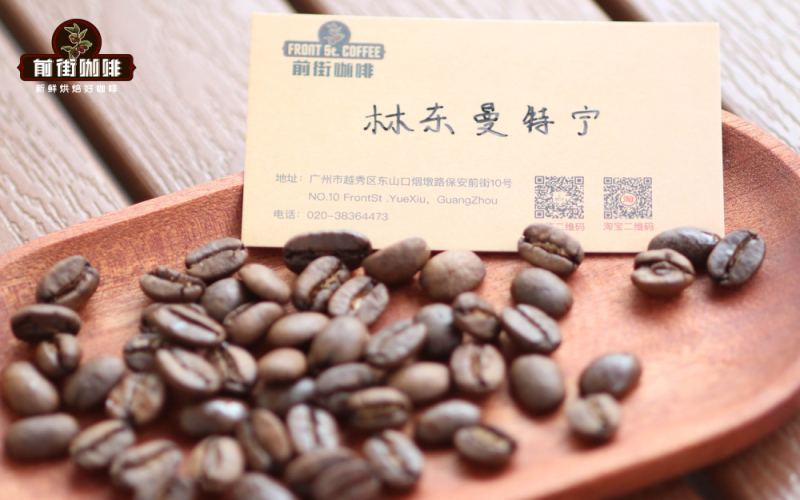
Indonesian Mandheling Coffee Beans: A Comprehensive Analysis from the Origin of the Mandailing People's Name to the PWN Golden Mandheling Variety and Producing Regions
Mandheling coffee beans are truly unique in the specialty coffee world—it is neither a region name nor a variety name, but originates from the Mandailing people on the island of Sumatra. This coffee from Indonesia has won over countless enthusiasts with its rich, solid body and deep flavors. This article will take you through the interesting story behind the name Mandheling, analyze the characteristics of the two main varieties Timtim and Ateng, explain how PWN defines authentic Golden Mandheling, and share Front Street Coffee's professional insights on roasting and brewing, so you can fully understand this legendary coffee bean. [more…]
The Past and Present of Jamaican Blue Mountain Coffee: A Legend from a Caribbean Island to the World's Top Coffee
Front Street Coffee's Blue Mountain coffee originates from Jamaica and is recognized as one of the world's most exceptional coffees. It has a moderate balance of acidity, sweetness, and bitterness, with a pure flavor and an irresistible air of elegance. The Blue Mountain range lies northeast of Kingston, Jamaica's capital, and is named after the brilliant blue glow reflected off the Caribbean Sea. Located in the coffee belt, this region's fertile volcanic soil and year-round foggy, rainy climate have produced the world-renowned Blue Mountain coffee. From 1717, when King Louis XV of France ordered its cultivation, to 1950, when the Jamaica Coffee Industry Board was established, Blue Mountain coffee has passed through more than three centuries of legendary history. Today, the Blue Mountain region has only 6,000 hectares of planted area, with an annual output of about 40,000 bags, the vast majority of which is consumed by Japanese and European-American markets; authentic Blue Mountain coffee is rarely imported directly into the Chinese market. This article will give you a comprehensive understanding of Blue Mountain coffee's origin and terroir, development history, and current market situation. [more…]
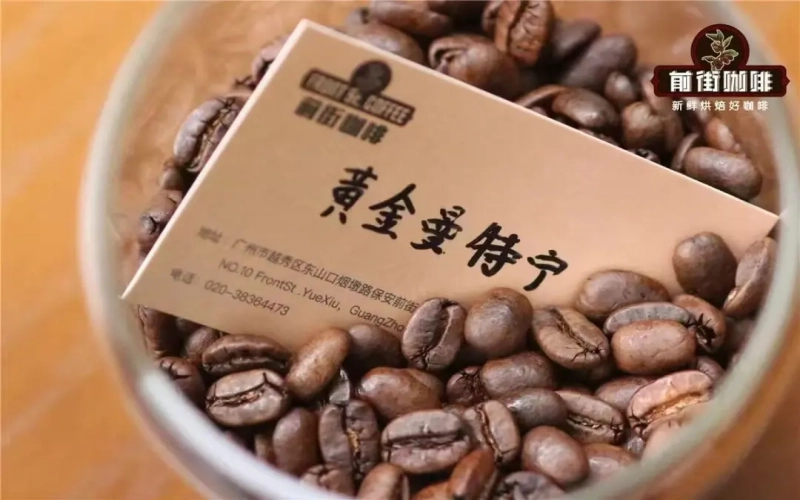
What is the difference between Sumatra Mandheling and Golden Mandheling? How to identify the authenticity of Golden Mandheling
Mandheling is neither a coffee variety name nor a region name, but a general term for coffee produced on the island of Sumatra. Within this vast family, Golden Mandheling stands out thanks to stricter screening standards—19 mesh or above, three rounds of hand sorting plus one round of machine sorting, resulting in an extremely low defect rate. This set of standards was pioneered by PWN, which later registered "Golden Mandheling" as an exclusive trademark and set up dual anti-counterfeiting measures with certification certificates and burlap sack markings. This article will sort out the origins of Mandheling, the logic behind the birth of Golden Mandheling, and methods for verifying authenticity, and through cupping comparisons of the flavor differences between everyday Mandheling and Golden Mandheling, help you identify true Golden Mandheling. [more…]

After Super Typhoon Ragasa left, orders at tea shops surged, and bubble tea workers were overwhelmed.
Typhoon "Ragasa" approached Guangdong with Category 17 intensity, prompting Guangzhou, Shenzhen and other cities to successively activate "five suspensions" measures, forcing residents to pause going out for a day. As the typhoon made landfall in Yangjiang's Hailing Island and weakened, the "five suspensions" were lifted across various areas, and demand for tea beverage consumption was instantly unleashed. Orders on delivery platforms surged at one point, with stores of Starbucks, Heytea, Nayuki, 1 Dian Dian, Chagee and others generally experiencing order explosions, some stores briefly receiving two to three hundred orders, leaving milk tea workers overwhelmed. Insufficient staffing and material preparation led to slow order fulfillment and frequent mistakes, with consumers waiting over an hour. This post-typhoon tea beverage consumption wave not only reflects the high-frequency rigid demand for drinks in daily life but also makes frontline workers the most direct "bearers" of the pressure. [more…]
An In-Depth Analysis of Hawaiian Kona Coffee: Terroir, History, and the Flavors of Queen's Estate
Hawaiian Kona coffee is hailed as one of the world's top treasures. Its output is scarce and its price is high, yet it still captivates countless coffee lovers. This time, Front Street Coffee has brought authentic Hawaiian Kona coffee beans into its shop and provides a comprehensive review of this coffee's origins and development, from the growing conditions and historical background of the production region to the grading standards and the varieties and processing methods of Queen Estate. The article also records in detail the flavor performance of Front Street after cupping and brewing, taking you deeper into why Kona coffee possesses such a uniquely sweet, rich, smooth, and alluring charm. [more…]

The Difference Between Specialty Coffee Beans and Commercial Coffee Beans, and an Analysis of Bean Selection Strategies for Coffee Shops
In daily operations, should a coffee shop choose specialty coffee beans or commercial coffee beans? The two differ significantly in price, flavor, and use. Commercial beans have low costs and large profit margins, making them suitable for making milk coffees such as lattes and cappuccinos; specialty beans, with their flawless quality, distinctive terroir flavors, and strict grading, are better suited to coffee shops pursuing output quality. Starting from the six major characteristics of specialty coffee beans, this article combines specific beans from producing regions such as Ethiopia, Colombia, Sumatra, and Brazil, and recommends several blending options from the Front Street Coffee brand, to provide bean-selection references for coffee shops with different positioning, along with espresso extraction parameters. [more…]
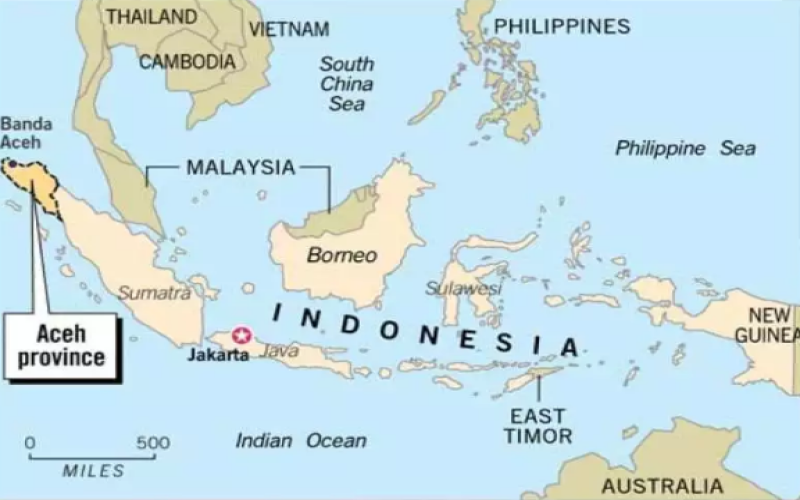
Sumatra Coffee Producing Region | Which coffee varieties are grown on the Indonesian island of Sumatra? Is Mandheling coffee an Arabica specialty coffee bean?
Sumatra is the second-largest island in Indonesia and the sixth-largest island in the world, a full thirteen times the size of Taiwan! The reason coffee is grown here is mainly because the Dutch East India Company, in the past, needed to supply the growing demand for coffee and increase colonial profits, and Sumatra itself lies in the Pacific Ring of Fire. [more…]
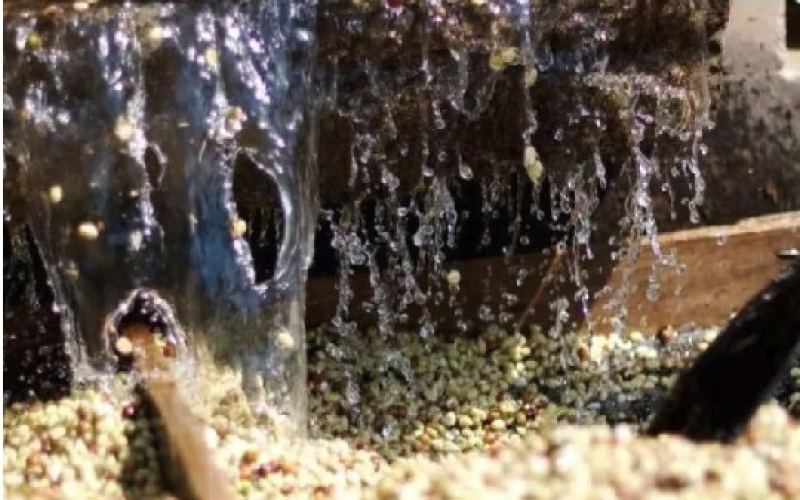
Indonesian coffee growing areas, Sumatra growing area varieties, Mandheling coffee.
Indonesia is a Southeast Asian country, adjacent to the countries of Papua New Guinea, Timor-Leste, and Malaysia. It is composed of 17,508 islands and is the largest archipelagic country in the world, spanning Asia and Oceania, and is also a country [more…]
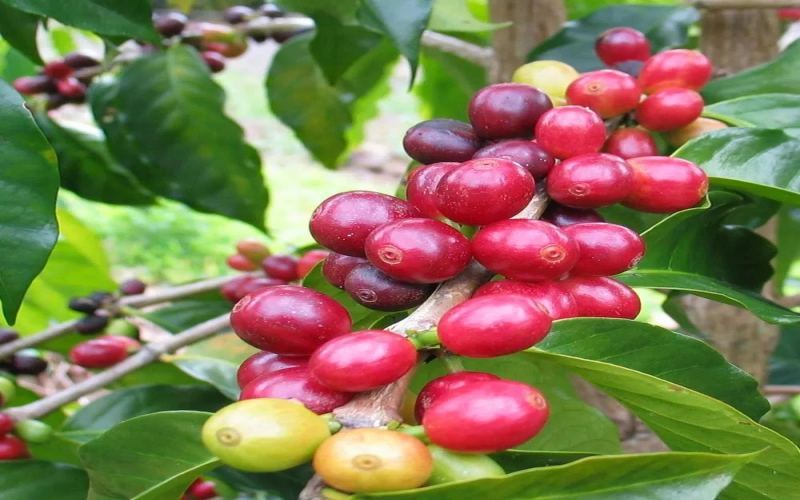
Ecuador Galapagos Islands Specialty Coffee: A Complete Analysis of the Flavor and History of the San Cristobal Region
In South America, Ecuador is one of the few countries that produces both Arabica and Robusta coffee beans. The country's finest coffee comes from San Cristóbal Island in the Galápagos Islands. This place has a unique maritime climate and volcanic soil, combined with freshwater streams rich in minerals, providing exceptional conditions for coffee cultivation. From the establishment of the Hacienda coffee plantation by Cobos in the 19th century to the expansion of cultivation by the González family, San Cristóbal coffee has gone through ups and downs, and today it is known for being organic and for its floral and fruity aromas with caramel sweetness. This article will take you on an in-depth look at the history and flavor characteristics of this producing region, along with brewing suggestions from Front Street Coffee. [more…]
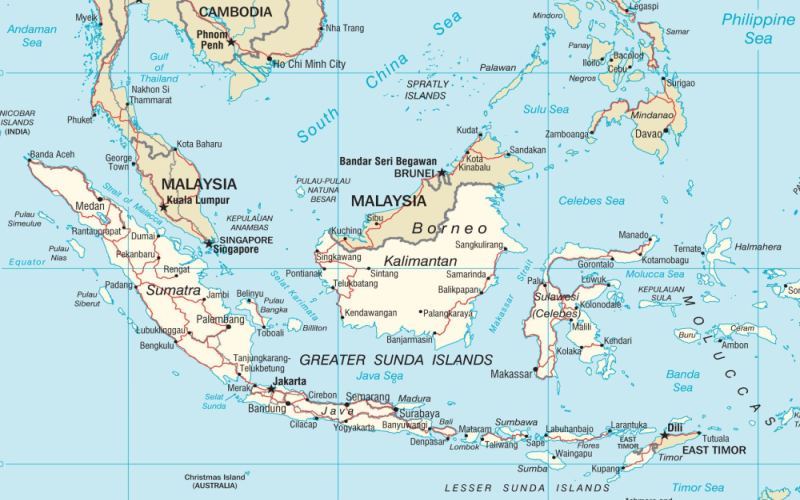
An Indonesian Coffee Tasting Journey: A Full Guide to Mandheling Favorites and the Flavors of Five Major Regions
Indonesia is made up of more than seventeen thousand islands, stretches across the equator, and is an important Arabica coffee-producing origin. This article begins with the origin of the name Mandheling and the layout of its producing regions, then goes through the terroir and flavors of five major producing regions—Sumatra Mandheling, Java, Toraja, Papua, and Flores—one by one, and explains in detail specialty beans such as Mandheling G1, PWN Golden Mandheling, peaberry, longberry, aged Mandheling, wild kopi luwak, and the treasured beans. At the end, it includes a highly cost-effective recommendation for Front Street Coffee's West Java honey-processed beans. Friends who like Indonesian beans may want to read it carefully. [more…]
A Global Roundup of Top Specialty Coffee Beans: Origins, Prices, and Flavor Stories of Six Expensive Varieties
In the world of coffee lovers, there are always some beans that command high prices due to their rarity, legendary status, or exceptional flavor. This article reviews six recognized expensive specialty coffee beans, from Indonesia's Kopi Luwak to Panama's Hacienda La Esmeralda Geisha, and Jamaica Blue Mountain, introducing their origins, reference prices, and the stories behind them one by one. Details covered include the COE competition results of El Injerto and Santa Ines estates, the connection between Saint Helena Island and Napoleon, and the production and marketing structure of Blue Mountain coffee. By reading this article, you can quickly understand why these top coffee beans are expensive, as well as their unique flavors and historical highlights. [more…]
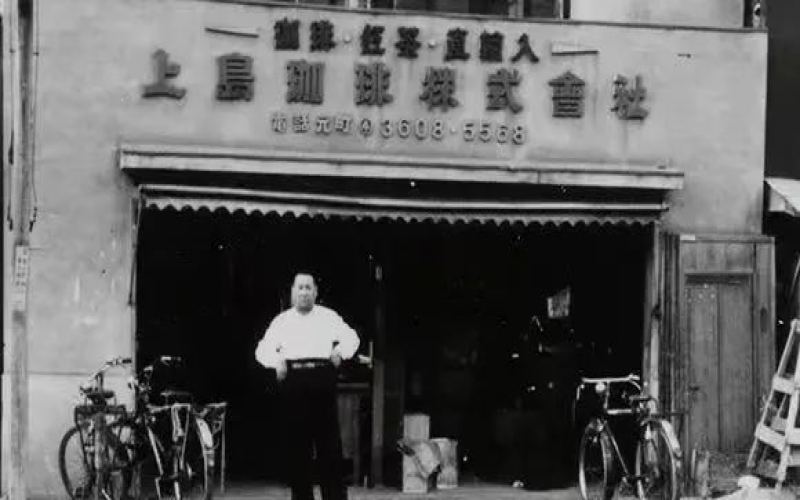
Jamaican Blue Mountain Coffee | What Makes Blue Mountain Coffee So Good? What Is the Connection Between Blue Mountain Coffee and Japan? What Flavors Does Washed Blue Mountain Coffee Showcase When Brewed as Pour-Over?
Because Front Street is one of the few coffee shops that sells Blue Mountain coffee offline, quite a few coffee lovers make a point of coming to visit and check in, hoping to savor the taste of Blue Mountain coffee—once the "top star" of the coffee world. Yes, it's Blue Mountain's fame they've come for... and interestingly, when these coffee-loving friends actually taste [more…]
A Complete Guide to Hawaii's Coffee Regions: From Growing History to Kona Flavor and Specialty Bean Roasting
The Hawaiian Islands lie south of the Tropic of Cancer, and thanks to their volcanic soil and tropical climate, they produce coffee that is recognized worldwide as exceptional. The Kona growing region is the most famous, yet the history of coffee cultivation in Hawaii has been full of ups and downs—from its first introduction in 1825 to infestations of pests and diseases, and then the rise of small estates, spanning nearly two centuries. This article examines the full picture of Hawaiian coffee, from the history of its growing regions and flavor characteristics to the Kona certification system and emerging sub-regions such as Kau, Hamakua, and Puna, and explores how roasters like Front Street Coffee bring out its distinctive charm. [more…]
In-Depth Analysis of Hawaiian Kona Coffee Beans: Variety Characteristics, Historical Origins, and Recommended Well-Known Brands
The Hawaiian Islands lie near the Tropic of Cancer, where volcanic soil and a tropical climate give rise to the world-famous Kona coffee. This article provides a comprehensive overview of the history of coffee cultivation in Hawaii, its quality characteristics, the distribution of major growing regions, and its certification system, and also introduces well-known brands such as Kona Mist and their online direct-sales model. At the same time, Front Street Coffee recommends a number of Hawaiian specialty coffee beans to help enthusiasts gain a deeper understanding of the unique appeal of this top-tier growing region. From its introduction in the 19th century to today's specialty-oriented development, Hawaiian coffee has traveled a rugged yet glorious path. [more…]
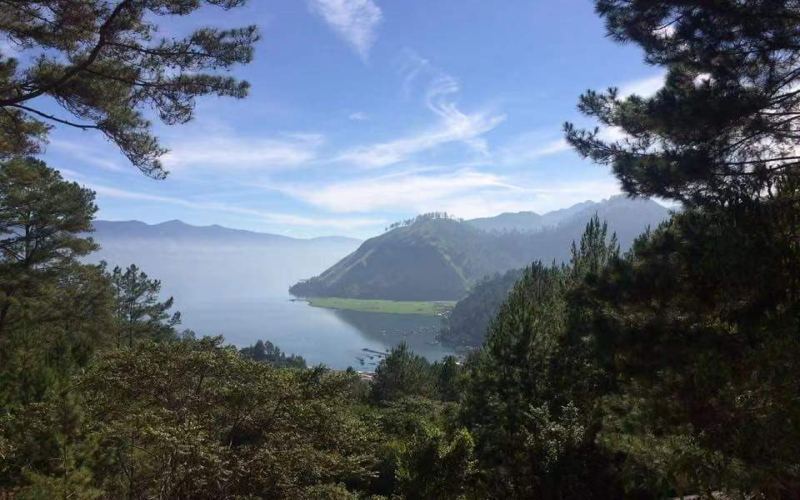
Indonesian Sumatra PWN Golden Mandheling Coffee Beans: A Comprehensive Interpretation from Terroir to Wet-Hulled Dark Roast Flavor
Indonesia is the fourth-largest coffee producer in the world, and the Mandheling coffee from its island of Sumatra is renowned globally. This article begins with the geographical, climatic, and volcanic soil advantages of the Indonesian archipelago, focusing on the Gayo Mountains in Aceh Province in northern Sumatra and the Lintong region around Lake Toba, and traces the historical origins and complex classifications of the name Mandheling. It highlights the Front Street Golden Mandheling produced by PWN Pawani Coffee Company—from the multiple manual hand-sorting of green beans and the specialty standards of its registered trademark, to the story of its rise to fame after exporting 15,000 kilograms to Japan in 1968. Finally, it presents Front Street's brewing method using a KONO dripper, a 1:15 coffee-to-water ratio, 88°C water temperature, and a deep roast, allowing you to experience the rich, full-bodied blend of toasted bread, pine, caramel, and cocoa. [more…]
What Variety Is Pink Bourbon Coffee? A Full Analysis from Bourbon Origins to Colombian Flavor
Pink Bourbon is a rare variety that has attracted much attention in the specialty coffee world in recent years, but its origins must begin with a Typica mutation on Bourbon Island. Bourbon and Typica are both among the oldest fine varieties of Arabica, while Pink Bourbon is a recessive-trait variety formed by the natural cross between Red Bourbon and Yellow Bourbon, and its yield is extremely low due to unstable reproduction. This article will trace the evolutionary lineage of the Bourbon family, explain why Pink Bourbon is scarce, and introduce the origin background and specific flavor performance of Front Street Coffee's Colombia Pink Bourbon, helping you gain a comprehensive understanding of this unique coffee variety. [more…]